Scarborough Top Wildlife Control for Residential and Commercial Properties
Scarborough Top Wildlife Control for Residential and Commercial Properties
Blog Article
Professional Extraction Options for Animals and Wildlife: Maintain Your Property Protected
Professional elimination solutions for animals and wildlife are vital in protecting homes and buildings. These specialists manage multiple challenges connected to wildlife intrusions, ranging from building deterioration to medical dangers. Studying the habits of frequent invaders learn now might assist with preventative strategies. However, numerous homeowners remain unaware of the symptoms that point to a problem. What warning signs should you identify when evaluating the need for professional intervention?|Seasoned removal services for creatures and fauna prove indispensable in protecting homes and buildings. These professionals address various concerns caused by animal invasions, encompassing building deterioration to safety hazards. Grasping the behaviors of common intruders contributes to preventative practices. Still, a number of homeowners lack knowledge of the indicators that reveal an issue. What should you observe when considering the need for expert services?
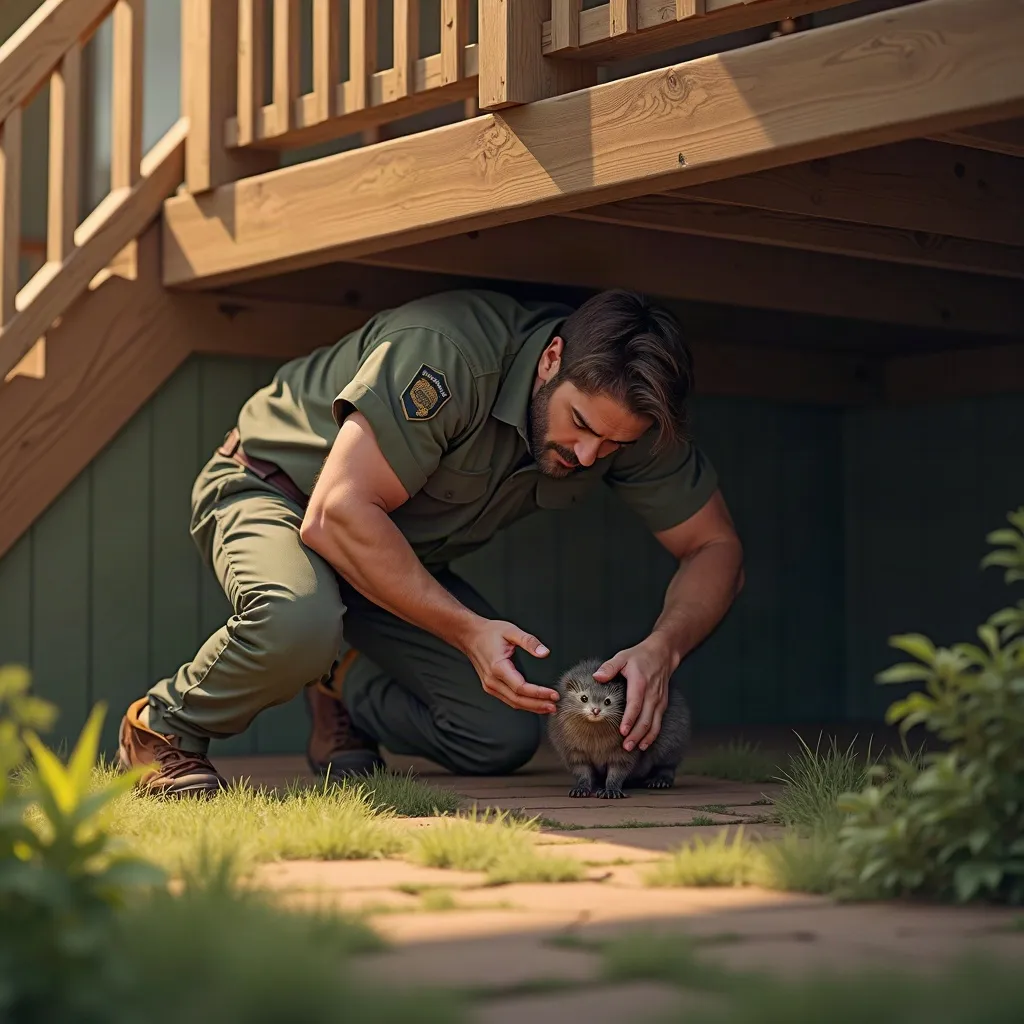
Understanding the Effect of Wildlife on Your Land
Wildlife can greatly alter the equilibrium of a land, commonly leading to unanticipated challenges. The existence of different animals can disrupt ecosystems, influencing both flora and fauna. For property owners, this disturbance may show up as physical deterioration, notably if animals tunnel or lodge in improper areas. Also, wildlife can transmit diseases, posing health hazards to humans and domestic pets alike.
The impact stretches beyond tangible harm; creature encounters can also lead to considerable monetary losses. Crop damage and degradation of edible supplies can burden agricultural properties, while urban environments may witness greater expenditure on upkeep due to animal-triggered difficulties. Understanding these foreseeable effects is important for property owners, as forward-thinking actions can mitigate risks. By detecting the symptoms of wildlife presence and their possible effects, individuals can more thoroughly equip themselves to safeguard their properties and copyright a harmonious environment.
Common Animal Invaders and Their Behavior
Numerous animals commonly breach residences, each exhibiting distinct behaviors that can lead to substantial issues for homeowners. Rodents, like mice and rats, are celebrated for their nesting habits, often searching for safety in basements or attics. They can gnaw through wires, insulation, and even food packaging, posing health risks and property damage. Raccoons, attracted to garbage and pet food, are adept climbers and can without difficulty access roofs and attics, generating mess and potential entry points for further infestations.
Squirrels, while appearing innocent, can result in significant property destruction by gnawing on wood and wiring. Opossums, often misunderstood, may enter areas looking for sustenance but can also attract predators. Finally, skunks pose a unique challenge, as their pungent smell can permeate properties when they feel threatened. Comprehending these unwanted visitors' conduct is essential for preventing potential property damage and health hazards.
Prompt Resolutions for Beast Encroachments
When wildlife intrusions occur, identifying the indicators is essential for a quick reaction. Swift recognition of these signs can enable efficient emergency extraction procedures. Prompt action not only guarantees safety but also prevents further harm to structures.
Recognize Animal Intrusion Clues
What methods can homeowners use to quickly spot signs of wildlife intrusion? Noticing early indicators is vital for property safety. Frequent signs include strange sounds, like scratching or rustling noises, often during night hours. Homeowners should also look for droppings, which vary by species but signal recent activity. Chewed wires, insulation, or food packages may signal a rodent or raccoon presence. Additionally, tracks or paw prints near entry points can indicate the type of animal present. Unusual holes or burrows in the yard or near the foundation are also red flags. Finally, damaged plants or disturbed nesting materials may indicate wildlife is making itself at home. Prompt detection can aid in swift intervention and prevention.
Urgent Extraction Protocols
Swift action is crucial when handling wildlife intrusions to reduce potential harm and ensure safety. Homeowners should first assess the situation, confirming that all occupants are secure and away from the area of intrusion. It is important to identify the type of animal involved, as this can influence the extraction approach. For immediate solutions, individuals should seal access points to prevent further access and create a secure space. Reaching out to professional wildlife removal companies is strongly advised, as trained experts can handle the situation efficiently and humanely. They possess the necessary tools and knowledge to safely remove the animal while following local wildlife regulations. Quick action not only safeguards your home but also ensures the well-being of both humans and animals involved.
Humane Wildlife Elimination Techniques Explained
Although animals can often become a nuisance, there are efficient and compassionate approaches for removal that prioritize the protection of both animals and humans. These strategies focus on humane methods, guaranteeing that creatures are moved without injury. Common methods consist of the use of live traps, which capture the animal without damage, permitting safe transport to a appropriate environment far from human dwellings.
Exclusion procedures are also required; these entail closing access routes and removing attractants, rendering properties less attractive to wildlife. Additionally, habitat modification can deter beings from settling in unpreferred areas.
Professional wildlife removal services regularly work with trained specialists who possess knowledge of animal behavior, enabling them to use the most appropriate and ethical removal methods. By selecting humane approaches, property owners not only comply with legal regulations but also contribute to the preservation of local ecosystems, promoting a balanced coexistence between humans and wildlife.
Indicators That You Should Contact a Wildlife Removal Professional
Understanding when to contact a wildlife removal specialist is vital for establishing a secure living space. Clues like odd sounds during the night, apparent structural damage, and wildlife presence in your vicinity can point to an immediate need for professional support. Responding promptly to these signals can avert future issues and protect the health of residents and animals alike.
Peculiar Noises After Dark
What could be causing those odd sounds echoing through the night? Homeowners often hear scratching sounds, scurrying noises, or even calls that suggest wildlife activity. These sounds may indicate the presence of raccoons, squirrels, or other night-active creatures seeking shelter or food. Such disruptions can escalate quickly, with animals possibly inflicting damage or entering living spaces. Ignoring these signs can lead to more significant issues, including health risks and property damage. A animal control specialist can identify the source of the noises and safely relocate the animals, ensuring the home remains secure. Quick response is essential for preserving a peaceful living environment, making it vital to consult professionals when unusual night sounds persist.
Apparent Wildlife Defacement
Visible wildlife damage is often a clear indicator that professional wildlife removal services are necessary. Homeowners should be aware for signs like gnawed wood, torn insulation, or damaged wiring, all of which can threaten the structure and create fire hazards. In addition, damaged landscaping, such as uprooted plants or burrows, may point to wildlife presence seeking food or protection. Roof damage, including missing shingles or holes, indicates possible animal entry points. These visible signs not only indicate potential infestations but also stress the urgency for prompt intervention. Dealing with these issues quickly can prevent more damage and secure the property, so consulting with wildlife removal experts when these signs are noticed is essential.
Documented Sightings near Property
Seeing wildlife by a property often signals a problem requiring prompt attention. The sightings may suggest creatures seek shelter or food, which risks leading to infestations. Common signs feature raccoons rummaging in trash, deer grazing by gardens, or squirrels nesting in attics. These behaviors threaten property integrity and can transmit diseases creating health risks for residents. Furthermore, nocturnal animals may grow bold and move closer to human activity. Noticing the signs is crucial; calling a wildlife removal expert delivers safety plus effective resolution. Early intervention avoids major issues and guards the property from costly damages.
What to Consider When Picking a Wildlife Removal Service
Determining the ideal wildlife removal service can be a difficult undertaking, particularly for those unfamiliar with the intricacies of animal control. First, it is crucial to verify the company's credentials, including licenses and certifications. This confirms that the service complies with local regulations and employs qualified professionals.
Next, one should evaluate the methods employed in removal. Ethical practices, such as humane trapping and relocation, should be emphasized. Inquiring about the provider's track record with particular wildlife issues can also offer understanding of their expertise.
Additionally, reading customer reviews and testimonials can help gauge the company's credibility and performance. Transparency regarding pricing and procedures is fundamental; a trustworthy provider should offer a clear estimate before starting any work.
To sum up, a dependable wildlife removal service will offer follow-up consultations to establish the problem is resolved, emphasizing a commitment to long-term solutions.
Methods for Avoiding Wildlife Intrusions
To avoid wildlife invasions, homeowners need to take proactive actions that discourage animals from entering their land. The first measure is sealing all holes found in foundations, walls, and roofs, since even minor gaps can serve as entry points for numerous creatures. Next, keeping a neat yard clear of food sources, including pet food and fallen fruit, can lower potential attractants. Additionally, garbage should be kept in locked containers to reduce odors that could draw wildlife. The installation of motion-activated lights and fencing can also improve security by making the area less inviting. Finally, regularly trimming trees and shrubs prevents animals from nesting nearby. Implementing these methods allows homeowners to effectively reduce the risk of wildlife intrusions, keeping their living space more secure and secure.
Often Asked Questions
Understanding the Laws Controlling Animal Control in My Area
Wildlife requirements vary across regions and often demand licenses along with conformity to humane practices. Individuals should consult local wildlife agencies or legal resources to guarantee compliance with applicable laws and guidelines in their area.
How Much Will Expert Moving Services Typically Run You?
Professional removal operations typically cost between $100 to $500, determined by factors including the species involved, location, and the difficulty involved. Supplementary fees may be levied for subsequent visits or protective actions.
Is it Safe to Carry Out Animal Removal on My Own Without Danger?
While some people try DIY wildlife removal, it often poses dangerous hazards and legal issues. Professional services ensure compassionate treatment and adherence to legal requirements, rendering them a safer, more effective choice for managing wildlife encounters.
What do the Animals Do Following Relocation?
Following removal, animals are usually relocated to appropriate habitats or rehabilitation centers. This assures their safety and health, allowing them to return to the wild while decreasing potential conflicts with humans in the future.
What represents the Typical Length of the Removal Process?
Typically, the extraction process takes between one to three hours, depending on the species and how difficult the situation. Factors including location and how accessible the site is also shape the overall duration for completing the operation.
Report this page